Vital Aspects for Developing an Effective Commercial Audio Broadcast System
Wiki Article
Designing an efficient professional audio distribution system is crucial for any business that depends on sound to elevate the consumer experience. This system empowers businesses to transmit music, announcements, and other audio content to different areas within a premises. Fundamental elements in developing a effective audio distribution system include an awareness of sound quality, optimal equipment selection, efficient layout planning, and reliable maintenance practices. These aspects work together to ensure that the audio system fulfills the unique needs of the space and the audience.
Sound quality is one of the most important factors of an audio delivery system. Premium sound elevates the listening experience for patrons and can create a welcoming atmosphere. Variables such as speaker models, signal amplifiers, and audio design all impact in attaining crisp and consistent sound. Facilities should focus on investing in top-tier speakers that are suitable for their venue. For example, landscaped areas might utilize weather-resistant speakers, while indoor areas may be enhanced by stereo arrays. Making sure that all devices are suitable and harmoniously tuned is necessary for reliable performance.
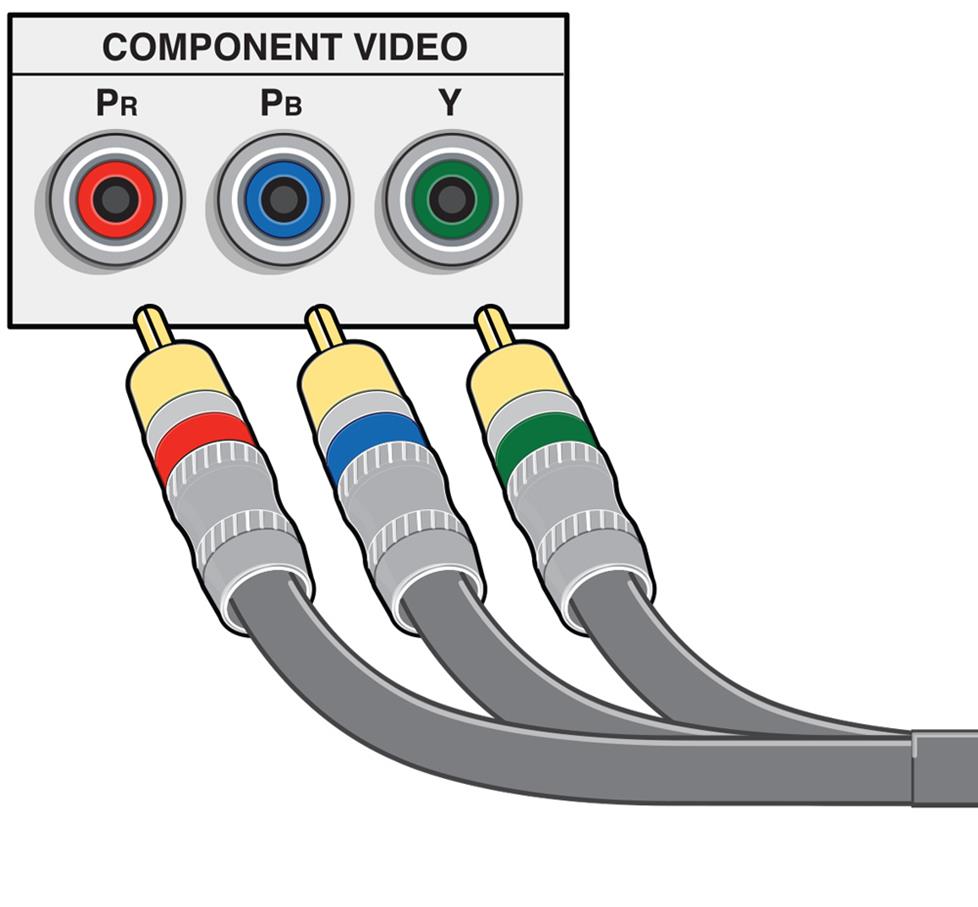
The picking of audio systems plays a significant influence in the success of the delivery. This requires identifying the right control panels, sound enhancers, and music systems. Businesses should review their individual audio goals before proceeding with acquisitions. For instance, a commercial space might require different systems than a hospitality space or conference center. Additionally, adopting smart technology can elevate capabilities. Systems that support remote control or pairing with apps can allow adaptability in managing audio output and listening zones throughout various locations.
Planning the design of the audio distribution system is another essential aspect. A strategically planned setup ensures that sound is uniformly transmitted across all zones without any sound voids or sound imbalance in certain spots. This demands strategic placement of speakers and assessment of how sound flows in each setting. Factors such as scale, geometry, and furnishings can influence resonance. Implementing an audio evaluation can enable determine the most effective spots for speakers to achieve superior sound reach throughout the facility.
To find more info sum up, periodic maintenance is crucial to sustain an audio communication system running reliably. Maintenance requires regular inspections on components condition, repairing any issues promptly, and updating firmware when needed. Guiding personnel on how to control the system safely can also prevent common problems and extend the durability of the devices. By committing to system checks, enterprises can preserve superior audio experience and minimize technical issues that could reduce the user impression.
In summary, creating an effective business audio distribution system requires thoughtful evaluation of audio clarity, hardware choice, design organization, and regular upkeep. When these components are addressed effectively, enterprises can enrich their setting with high-fidelity audio performance for their clients. Investing in a professionally planned audio system not only optimizes sound management but also promotes a engaging ambiance that you can look here can boost client satisfaction.